





Imagine that you arrive at the airport early, clear security, and settle in, only to watch your departure time quietly shift, then shift again, and finally flash “canceled” across the screen. Lines at the help desk stretch endlessly, no rebooking options, and what was supposed to be a simple trip turns into hours of frustration.
Now, you might no longer be imagining this, as the scenario is becoming increasingly common.
Global airlines are scrambling to respond to a fast-moving fuel crisis and mounting operational strain. Across the globe, the aviation system is already showing clear signs of stress.
Across the United States, thousands of travelers were stranded after a wave of disruptions hit major airports, triggering 1,910 delays and 135 cancellations in a single day. Hubs including Hartsfield-Jackson Atlanta International Airport, Dallas/Fort Worth International Airport, and Chicago O’Hare International Airport saw significant operational strain, according to a Travel And Tour World report.
But this is not just a one-day disruption. A deeper global issue is unfolding. Airlines worldwide are now reacting to a fast-escalating jet fuel crisis tied to the shutdown of the Strait of Hormuz, a key artery for global oil supply.
The result? Flight cuts, rising ticket prices, and a travel experience that may look very different in the months ahead.
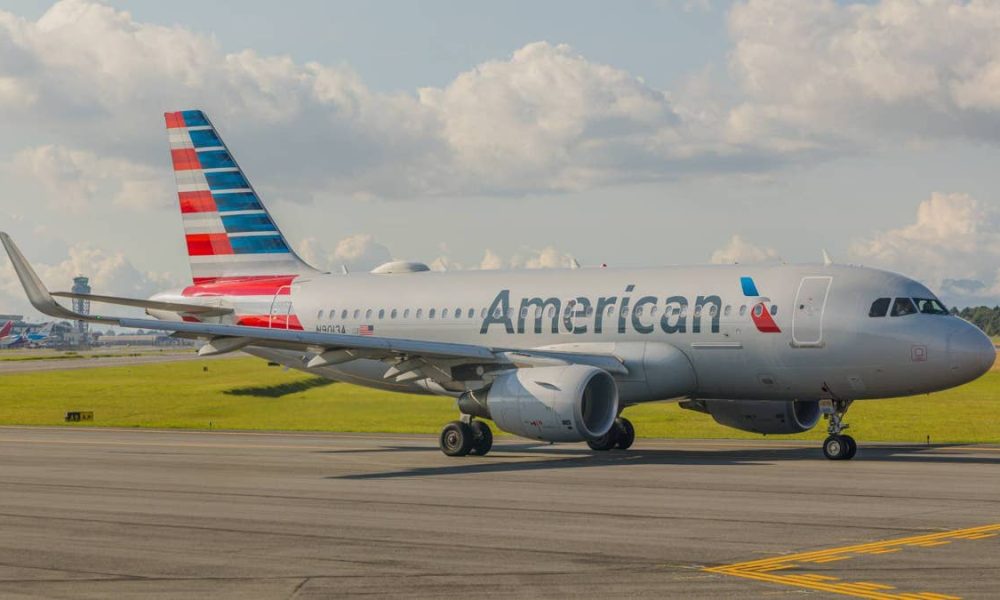
American Airlines reported the highest number of delays
The immediate impact is already clear across major U.S. carriers, where delays and cancellations are piling up as pressure builds across the system. What may seem like isolated disruptions are revealing broader, system-wide strain.
Thousands of passengers have been left stranded as widespread disruptions triggered delays and cancellations across the U.S. aviation network.
Key disruption data:
- Total impact: 1,910 delays and 135 cancellations nationwide
- American Airlines (AAL): 296 delays (highest delay volume)
- United Airlines(UAL): 39 cancellations, 158 delays
- Spirit Airlines (SAVE): 34 cancellations, 94 delays
- Delta Air Lines (DAL): 33 cancellations, 117 delays
- JetBlue (JBLU): 5 cancellations, 86 delays
- Frontier Airlines (ULCC): 3 cancellations, 67 delays
- Alaska Airlines (ALK): 1 cancellation, 33 delays
- Republic Airways: 1 cancellation, 19 delays
Most impacted airports:
- Hartsfield-Jackson Atlanta International Airport: 34 cancellations, 115 delays
- Dallas/Fort Worth International Airport: 5 cancellations, 154 delays
- Chicago O’Hare International Airport: 7 cancellations, 143 delays
- Orlando International Airport: 9 cancellations, 101 delays
- Los Angeles International Airport: 11 cancellations, 95 delays
- New York JFK: 8 cancellations, 66 delays
- Houston George Bush Intercontinental: 12 cancellations, 67 delays
- Detroit Metropolitan Airport: 11 cancellations, 47 delays
- Boston Logan International Airport: 8 cancellations, 46 delays
The disruptions are stretching across key travel hubs from Atlanta and Dallas to New York and Los Angeles, showing how quickly delays ripple through interconnected airline networks. When one major airport slows down, the entire system feels it.
For travelers, the impact is actually immediate and personal. It involves missed connections, long rebooking lines, extended wait times, and growing uncertainty, even on routes that typically run without issues.
Shutterstock
Strait of Hormuz crisis sends jet fuel prices soaring
Behind the scenes, a much bigger crisis is driving airline decisions. The shutdown of the Strait of Hormuz, a route responsible for nearly 20% of global oil trade, has rippled through energy markets. The fallout has triggered what analysts describe as the biggest aviation fuel shock in decades.
With tanker traffic collapsing, fuel supply chains have been severely disrupted. Airlines depend heavily on stable fuel access, and when that breaks down, costs surge almost immediately, squeezing already thin margins.
This is forcing carriers to make tough choices. Airlines are cutting less profitable routes, reducing flight frequency, and prioritizing fuel efficiency over expansion just to stay operational in a volatile environment.
The situation mirrors past energy crises, where geopolitical events reshaped entire industries almost overnight. And if disruptions persist, the impact on global aviation could be deeper and longer-lasting than many expect.
Airlines worldwide cut flights and rethink operations
The impact is now global, and airlines are moving quickly to adapt as the crisis deepens. What began as a regional disruption has turned into a worldwide challenge, forcing carriers to rethink how they operate almost overnight.
Major players are already making tough calls, according to Travel And Tour World. United Airlines is trimming red-eye and midweek flights, while Delta Air Lines is grappling with hundreds of millions in added fuel costs.
In Europe, Air France is reassessing route profitability and introducing surcharges, and Ryanair is weighing cuts of up to 10% of its flights. Over in Asia, Cathay Pacific has already suspended select routes.
In fact, these are not short-term adjustments. They point to a deeper shift in how airlines are operating. The focus is quickly moving toward survival mode, where every route, schedule, and pricing decision is driven by cost control and fuel efficiency.
The pressure is spreading beyond airlines themselves. Airports across Europe and Asia are warning that fuel shortages could emerge within weeks, raising the risk of even more disruptions as the global aviation system struggles under mounting pressure.
Airfares also rise as travelers bear the cost
For passengers, the most immediate impact is on their wallets. Barron’s reports that airfares have already surged 2.7% in March, after increasing 1.4% in February, and 14.9% year over year in March.
Airlines are passing higher fuel costs directly to consumers, and that trend is expected to continue. But ticket prices are only part of the story.
Airlines are also increasing ancillary fees, charging more for checked bags, seat selection, and other services. At the same time, onboard amenities are being reduced as carriers look to cut costs wherever possible.
Even premium travel is no longer immune. Business-class passengers are seeing higher fares and fewer perks, signaling a broader reset in the travel experience.
So for you, flexibility, early booking, and awareness of potential disruptions could make the difference between a smooth trip and a frustrating one.